The Architecture of Digital Solitude
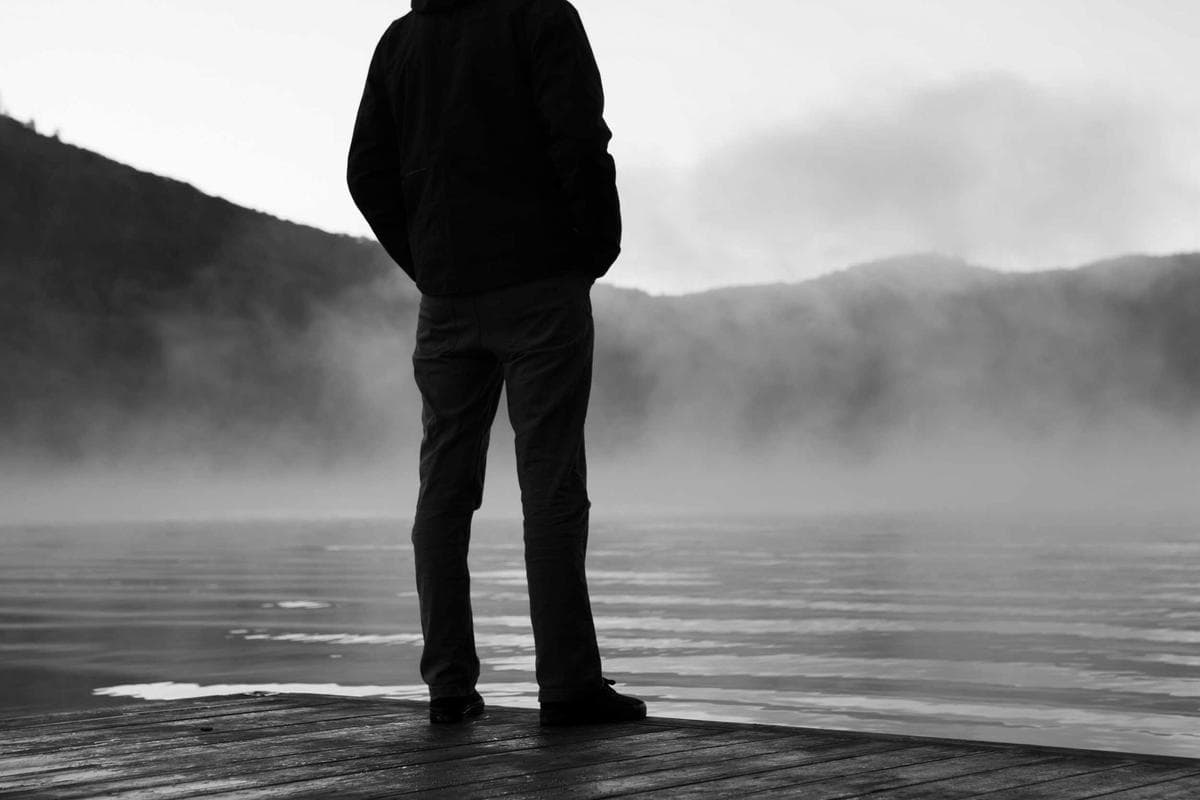
Solitude used to be a default condition, available by simply doing nothing. Now it has to be built.
For most of history, being alone with your thoughts required no special effort — it was simply what happened in the gaps between other activities, on a walk, in a waiting room, before sleep. Those gaps have been almost entirely colonized by a device that fits in a pocket and promises, correctly, that something more interesting than your own thoughts is always one tap away.
Historical Precedents for Engineered Quiet
The idea that solitude might need to be deliberately constructed rather than simply found is, in fact, an old one, even if the specific pressures making it necessary today are new. Monastic traditions across multiple religions built entire architectures — cloisters, cells, rules of silence at specific hours — around the recognition that quiet does not occur naturally in a community of people living and working together. The monastery was not a place solitude happened to exist; it was a place solitude was constructed, brick by brick and rule by rule, because the alternative was assumed to be constant, low-grade social noise.
What is different now is not the underlying problem but its scale and its portability. A medieval village had its noise contained within earshot. The interruption a smartphone offers is available anywhere, at any hour, regardless of physical distance from other people — which means the old architectural solution of simply walking to a quiet cell no longer fully works, because the noise now travels in your pocket rather than staying behind in the village.
Solitude as Infrastructure
The people who manage to reclaim genuine solitude today tend not to do so accidentally. They build it, the way one builds a room: with walls, in the form of specific times a device is physically elsewhere; with a door, in the form of a clear decision about when the period of solitude begins and ends; and with furniture, in the form of some activity — walking, reading, simply sitting — that gives the emptiness a shape rather than leaving it as pure, uncomfortable absence.
Why the Discomfort Is the Point
The first minutes of enforced solitude are, for most people habituated to constant input, genuinely uncomfortable. This discomfort is not a sign that something has gone wrong; it is closer to the soreness of a muscle that has not been used in some time. The capacity for sustained attention to one's own unprompted thoughts is trainable, and like any trainable capacity, it atrophies without practice.
- A walk taken without a phone, even a short one, restores a kind of attentional muscle that constant connectivity quietly wears down
- The discomfort of the first few minutes of solitude is a normal, temporary response, not a sign that solitude isn't working
- Solitude built into a routine, at a fixed time, requires far less willpower than solitude attempted only when convenient
What makes this a genuinely modern problem, rather than an old one in new clothes, is that solitude now has to be actively defended rather than simply allowed to occur. That defense is a kind of architecture — quiet, mostly invisible, and, for anyone who has managed to build it, unmistakably worth the effort.
Solitude Is Not the Same as Loneliness
A distinction worth making explicit, because the two are so often confused, is that solitude and loneliness are not the same experience wearing different names. Loneliness is the painful gap between the connection a person wants and the connection they actually have. Solitude, in the sense worth defending, is a chosen state, entered deliberately and exited deliberately, that has nothing to do with a deficit of relationships and everything to do with a temporary absence of demand on one's attention. A person can be lonely in a crowded room and can experience rich, restorative solitude while surrounded by people they love, simply by stepping, briefly and on purpose, out of the current of shared attention.
Conflating the two is part of why solitude gets treated with suspicion in a culture that already worries, with good reason, about rising rates of isolation. Choosing to be alone for an hour is read, by a culture attuned to loneliness as a genuine crisis, as a symptom rather than a practice — which makes the deliberate pursuit of solitude feel faintly antisocial even when it is functioning as exactly the opposite: a way of returning to other people with more attention available to actually give them, rather than less.
What Gets Restored
People who successfully build solitude into a regular practice tend to describe a consistent set of effects once the initial discomfort passes: a longer attention span for the first task attempted afterward, a clearer sense of their own priorities relative to the priorities that had been quietly absorbed from other people's feeds, and, somewhat counterintuitively, more genuine enthusiasm for the next social interaction rather than less. Solitude, done well, does not seem to compete with connection. It appears to be one of the conditions that makes deep connection possible in the first place, by giving a person something of their own to bring back into the room.